Tree Root: A Natural Typeface for Modern Digital Design
In the digital landscape, where every pixel contributes to user experience, the choice of typography is a foundational design decision. Fonts are not merely decorative; they are functional tools that establish tone, guide attention, and build trust. For web designers and digital creators seeking a typeface that brings organic character to screen-based projects, Tree Root emerges as a compelling option. This natural display font offers a distinct aesthetic that can elevate brand-focused web experiences from mere layouts to memorable encounters.
The Visual Character of Tree Root
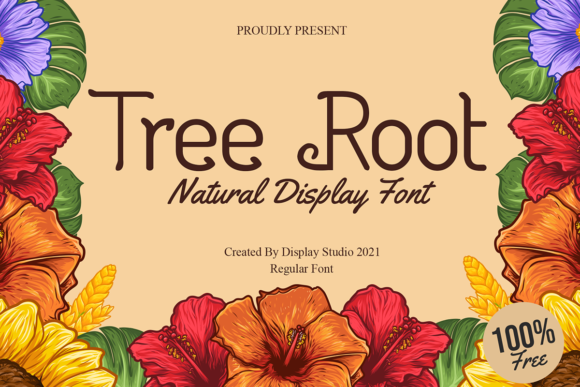
Tree Root possesses an inherent organic quality. Its forms suggest growth and natural texture, providing a visual personality that is both grounded and distinctive. This makes it an excellent asset for projects that aim to convey authenticity, craftsmanship, or a connection to natural themes. In a digital context saturated with geometric sans-serifs, a font like Tree Root provides immediate visual differentiation. Its style is best described as a structured yet hand-crafted display typeface, making it perfect for establishing a unique brand voice at the point of first contact—the user’s screen.
Applications in Digital Layouts and User Interfaces
The practical application of a display font like Tree Root hinges on understanding its role in visual hierarchy. In web design, hierarchy controls how information is absorbed and dictates the user’s scanning path.
Hero Sections and Landing Page Headlines
Tree Root excels as the primary anchor in a layout. Its strong character makes it ideal for hero titles on portfolio sites, product landing pages, or course sales pages. For a creative professional’s portfolio, using Tree Root for the name or tagline instantly communicates a unique, artistic identity. On a landing page for a boutique online store or a coaching website, a headline set in Tree Root can create an emotional hook, setting a tone of personalized quality before the user reads a single line of body copy.
Call-to-Action Emphasis and Brand Accents
While not typically used for long paragraphs, Tree Root can powerfully accentuate key phrases. Consider using it for the main text on a prominent call-to-action button, or for short, impactful statements in content sections. This draws the eye directly to conversion points. It also serves beautifully as logo text within a website header or as decorative accents in blog graphics, email headers, and digital ad banners, ensuring brand consistency across all touchpoints.
Supporting Typography and Digital Brand Kits
Beyond headlines, Tree Root can define entire brand systems online. Implementing it consistently across section headings on a website, in the titles of digital product screens, or within the graphics of an online course creates a cohesive and recognizable online identity. This consistency builds brand trust and professionalism, telling users they are interacting with a thoughtful, unified digital entity.
Readability and Technical Considerations for Web Use
Any display font must be implemented with technical and usability awareness to ensure it enhances, rather than hinders, the experience.
For readability on mobile screens and responsive layouts, size and spacing are critical. Tree Root should be used at a sufficient size to ensure its distinctive details are clear on smaller viewports. Avoid using it for very small button labels or lengthy text blocks. When overlaying on images or using on dark backgrounds, ensure ample contrast is maintained—a light weight on a dark background or a bold weight on a light background can often provide the necessary clarity.
Before integration, verify the font’s technical specs. For web use, webfont availability (in formats like WOFF2) is essential for fast loading and crisp rendering across browsers. Check if the package includes multiple weights or stylistic alternates, which allow for nuanced design without switching fonts. Multilingual support is also a key consideration for projects aiming for a global audience.
Strategic Font Pairing for Digital Harmony
A display font like Tree Root is designed to stand out, which means it requires a complementary partner for body copy and secondary text. The classic and effective pairing is with a simple, highly legible sans-serif font. The clean, neutral geometry of a sans-serif provides the perfect balance to Tree Root’s natural complexity, creating a layout that is both engaging and easy to read.
For a more editorial or traditional digital identity, pairing Tree Root with a classic serif font for body text can also work, creating a vibe of authoritative craftsmanship. The principle is to create a clear typographic contrast: one font for personality and impact (Tree Root), and one for readability and comfort (your chosen body font). This contrast directly supports scanning behavior and user engagement by clearly differentiating between what to look at and what to read.
A Note on Commercial Licensing for Digital Projects
When using a premium font like Tree Root in commercial web projects, licensing is a fundamental practical step. Most font purchases include a commercial license that covers use in websites, client projects, online stores, and digital templates. However, it is crucial to confirm that your specific use case—such as embedding in a web application, using in digital ads, or incorporating into sellable theme templates—is permitted under the license you acquire. Proper licensing protects your work and respects the creation of the typeface itself, ensuring you can use this powerful design asset with confidence across your brand’s digital ecosystem.
Rooting Your Digital Identity in Character
Ultimately, selecting a typeface is about choosing a voice for your digital presence. Tree Root offers a voice that is natural, distinctive, and inherently authentic. Its application from hero sections to brand accents provides a toolset for designers to craft experiences that feel deliberate and human. By pairing it thoughtfully, applying it with technical care, and using it within a licensed framework, Tree Root can become more than just a font in your library; it can become a root of your project’s visual identity, supporting everything from initial impression to final conversion.